Bettermode Review (2026): Hands-On Analysis
Bettermode is our “brand & customer communities at scale” pick: enterprise-grade branded customer communities at scale. Less suited if you're a solo creator on a budget.
Key Takeaways
In 2026, Bettermode is best suited for enterprise-grade customer communities, not budget-conscious solo creators or course-first businesses.
Bettermode's core strengths are deep customization options, embeddable widgets, and third party integrations built for brand and customer engagement at scale.
Bettermode pricing sits firmly in the mid-market and enterprise bracket, with no classic creator-style free plan remaining - always check the official site for current details.
The platform lacks native course building, built-in monetization, and white-label mobile app support, which matters if you run a paid community or sell courses.
Our honest verdict: Bettermode is powerful but overkill for most smaller communities. Circle or a similar creator-focused platform will suit many readers better.

Bettermode Review (2026): Quick Answer
In 2026, Bettermode is an enterprise community platform designed for branded customer communities - not an all-in-one membership or course platform for solo creators.
Bettermode shines for SaaS companies and product teams that want an embeddable, on-brand customer hub tightly integrated with their existing tech stack. If you need to power a customer support forum, a product feedback hub, or a peer-to-peer knowledge sharing space inside your own product, this is where Bettermode earns its keep.
Who should likely skip it?
Indie creators, coaches, and small paid communities that need built-in courses, payments, a branded mobile app, and a gentle learning curve.
If that sounds like you, tools like Circle will serve you better and cost less.
Our hands-on process included:
Setting up a test community
Exploring different spaces and apps
Configuring moderation tools
Testing the Design Studio
Comparing the overall community experience with creator-first tools
The sections below cover Bettermode pricing in detail, key features, strengths and limits, and a clear breakdown of who it fits.
In Brief: Who Bettermode Is (and Isn't) For
Bettermode is best for established brands that treat customer communities as a core product feature and need deep customization, integrations, and enterprise controls.
Strong fit for:
B2B SaaS customer communities that embed peer support and product feedback directly into their product
Consumer brands running large-scale feedback hubs where members can access resources and interact with support staff
Larger organizations needing multilingual support, audit logs, and enterprise grade scalability across regions
Less suited for:
Solo creators selling a single course or membership
Cohort-based course businesses that need modules, progress tracking, and certificates
Budget-sensitive paid communities that want an all-in-one course, community, and monetization stack under one roof
Summary:
Bettermode is enterprise-grade, embeddable branded customer communities. Unlike a social media platform or a simple Discord alternative, it focuses on structured customer engagement rather than informal chat or course delivery.
What is Bettermode?
Bettermode is a no-code SaaS platform for building online communities - specifically, branded, embeddable customer communities formerly built under the tribe platform name. The tribe team rebranded to Bettermode to signal a move upmarket toward enterprise brands and SaaS companies ready to invest in community as a product layer.
Core concepts:
Built around Spaces (containers for discussion, feedback, help, announcements)
Modular apps for customer support forums, product feedback loops, self-service knowledge bases, and peer-to-peer engagement
Spaces organize community content, each with customizable posting permissions and visibility settings
What makes Bettermode different:
Embeddability: Surface community threads, idea boards, or help content directly inside your SaaS product or marketing site
Native feel: Community feels like a part of your product, not a redirect to another platform
Key Bettermode Features (Hands-On Overview)
Bettermode offers a feature set centered on customizable Spaces, modular apps, and embeddable components aimed at customer engagement and support. The platform features a modular structure allowing different community areas to serve distinct purposes - from forums to feedback boards to help centers.
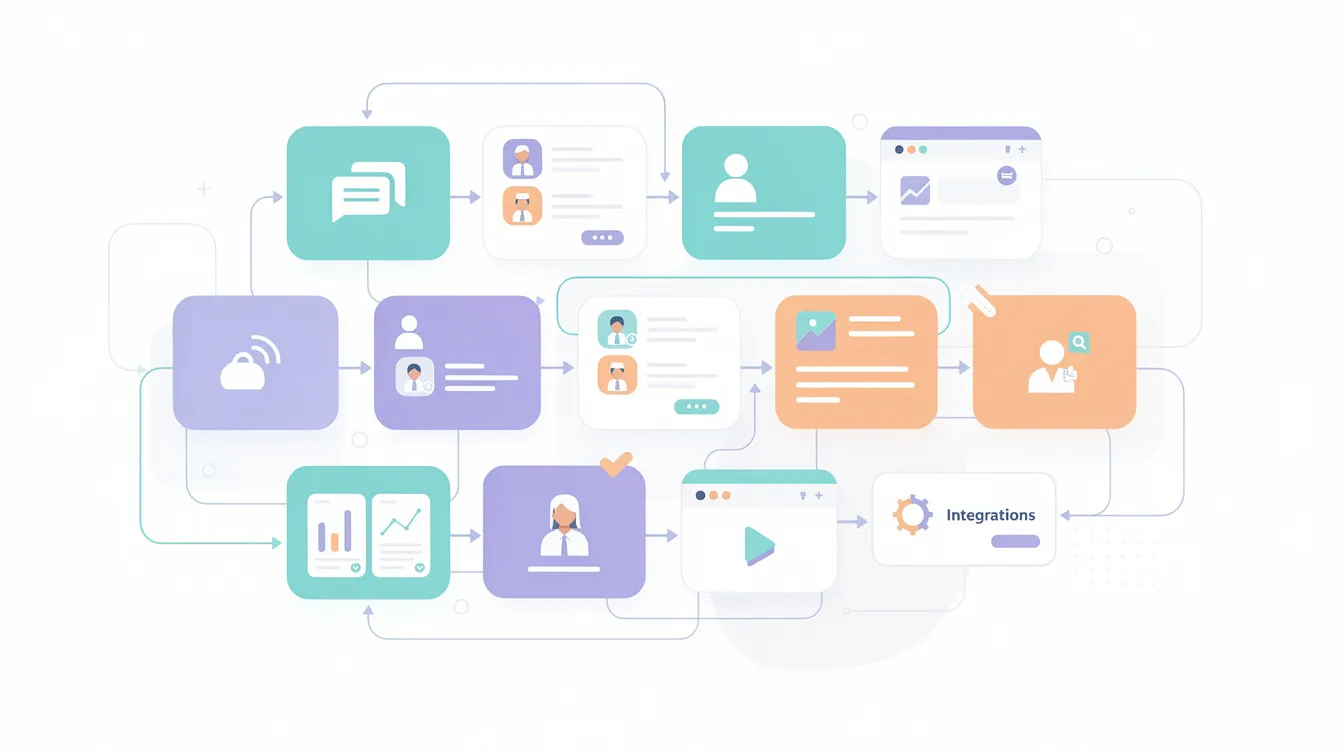
Community Structure: Spaces, Collections, and Navigation
Spaces are the main building blocks. Create new spaces for support, product feedback, announcements, job listings, or anything else your community needs.
Collections let you group Spaces by product line, region, or audience type.
Tags add further organization.
Design Studio: Block-based visual editor for rearranging headers, sidebars, and content blocks.
Branded landing pages: Create using Bettermode's Spaces system.
Custom domains and color palettes: Everything looks on-brand.
Logo and typography: Upload your logo and adjust typography.
White-labeling: Full options for branding on higher tiers.
SEO settings: Titles, meta descriptions, Open Graph tags built in.
Learning curve:
Basic setup is intuitive.
Customizing multiple Spaces with distinct rules, layouts, and permissions increases complexity.
Users appreciate the intuitive interface for simple setups, but note a learning curve for deeper customization.
Engagement Tools and Gamification
Primary engagement mechanics: Reactions, rich comments, mentions, polls, and Q&A-style threads.
Direct messaging: Private messaging between users for one-on-one peer support.
Gamification tools: Badges and leaderboards to encourage participation, reward feedback, and recognize top contributors.
Informal participation: Supports posting memes, theme days, and lighter community interaction.
Limitations: No course-grade assignments or grading.
Configuration tips:
Admin time required to align gamification features with brand engagement goals.
Content, Knowledge Base, and Search
Discussion forums and knowledge bases: Host articles, announcements, events, and community discussions.
Centralized help content: Members access resources without filing support tickets.
Search: Advanced filtering, reliable results across Spaces, federated search on higher tiers.
Multilingual support and localization: Available for global audiences.
Critical gap:
No built-in course creation features (no course builder, modules, progress tracking, certificates, or drip content).
No native support for gated content behind a paywall.
Moderation, Roles, and Analytics
Moderation tools: Keyword filters, role-based permissions for admins, moderators, and collaborators.
Moderation panel: Accept/reject content, profanity filters, minimum account age before posting.
Security: Enterprise tiers add security verification steps and protect sensitive customer data.
Analytics: Track engagement and user behavior, including:
Community growth
Member activity
Active members, posts, comments, engagement over time, and top Spaces
Analytics use case:
Adjust onboarding emails or nudge campaigns based on declining activity.
Integrations, Embeddable Widgets, and Tech Stack Fit
Integrations: Extensive with CRM systems, help desks, marketing automation, social login providers, and custom API/webhook workflows.
Embeddable widgets and SDKs: Surface community threads, idea boards, or help content inside your product.
Advanced developer features: Gated to higher-priced plans.
API and Webhooks access: Additional $199 per month as an add-on.
For non-technical creators:
Added complexity.
For product and customer-success teams with developers, this is a core advantage.
Mobile Experience and Apps
No dedicated mobile app: As of 2026, Bettermode does not offer white-label native mobile apps.
Responsive web interface: Communities accessed via mobile web.
Limitations: No push notifications or app-store presence.
Enterprise workaround: Some clients embed community views into their own apps via webviews or SDKs (requires development resources).
For solo creators and small course businesses:
No simple branded mobile app out of the box.
Bettermode Pricing in 2026: What to Expect
Bettermode pricing is squarely in the mid-market to enterprise range, and is usually overkill for solo or budget-limited creators.
Pricing model:
Tiered SaaS: Costs scale by features, member limits, collaborator seats, and enterprise options (SSO, security certifications, dedicated support).
No free plan as of 2026; legacy free communities removed by March 2026.
Typical costs:
Subscription costs increased from $50 to $399 per month for the starter plan.
Some users report prices reaching $599 per month depending on add-ons and usage.
Branded email notifications: Add $49 per month.
Growth tier: Around $1,500 per month and above.
Advanced features on higher tiers:
Integrations, API access, custom security, higher member caps, priority support.
If you are a brand, plan a proper SaaS procurement and ROI analysis. If you are a creator, compare these costs with creator-focused platforms before committing.
Bettermode Strengths
Bettermode is strongest when used exactly as designed - as an embeddable, branded community platform for product-centric companies. Many organizations prefer Bettermode for customer engagement and support, and it is a top notch platform for that specific job.
Deep Customization and Branding
Full control over how your community looks and feels
Design Studio for layout and branding
White-labeling options
Strong Embeddability
Surface community content inside your own product
Embeddable widgets and SDKs
Alignment with Customer Support and Feedback Workflows
Reduces ticket load
Centralizes customer feedback and peer support
Enterprise-Ready Governance
Audit logs
Role-based permissions
Compliance features for regulated industries
Multilingual Options
Supports global customer communities
Advanced Analytics
Track what matters for community managers
Monitor engagement, growth, and top contributors
Flexible Integration Ecosystem
API and integration options for teams with developers
Fits into broader customer experience stacks
Bettermode Limits and Downsides
For many readers - especially solo course creators, small paid communities, and early-stage businesses - Bettermode will feel too complex and too expensive.
Major Cons
Enterprise-level pricing that starts at $399 per month and climbs fast
No native course builder, no progress tracking, no certificates
No built-in monetization for memberships or courses (no checkout, no subscription tiers)
Lack of a white-label mobile app or push notifications
Steeper learning curve for advanced customization, integrations, and permissions
Key features gated to higher tiers (API access, branding removal, custom email senders)
Support and Customer Experience
Email support only; no live chat
Support experiences vary depending on technical issue and pricing tier
Past pricing changes and plan restructuring have frustrated some users
Summary:
These are acceptable trade-offs for enterprises with budget and technical resources. They are painful trade-offs for bootstrapped creators who just want to launch a paid community quickly.
Who Bettermode Is Best For (and Who Should Avoid It)
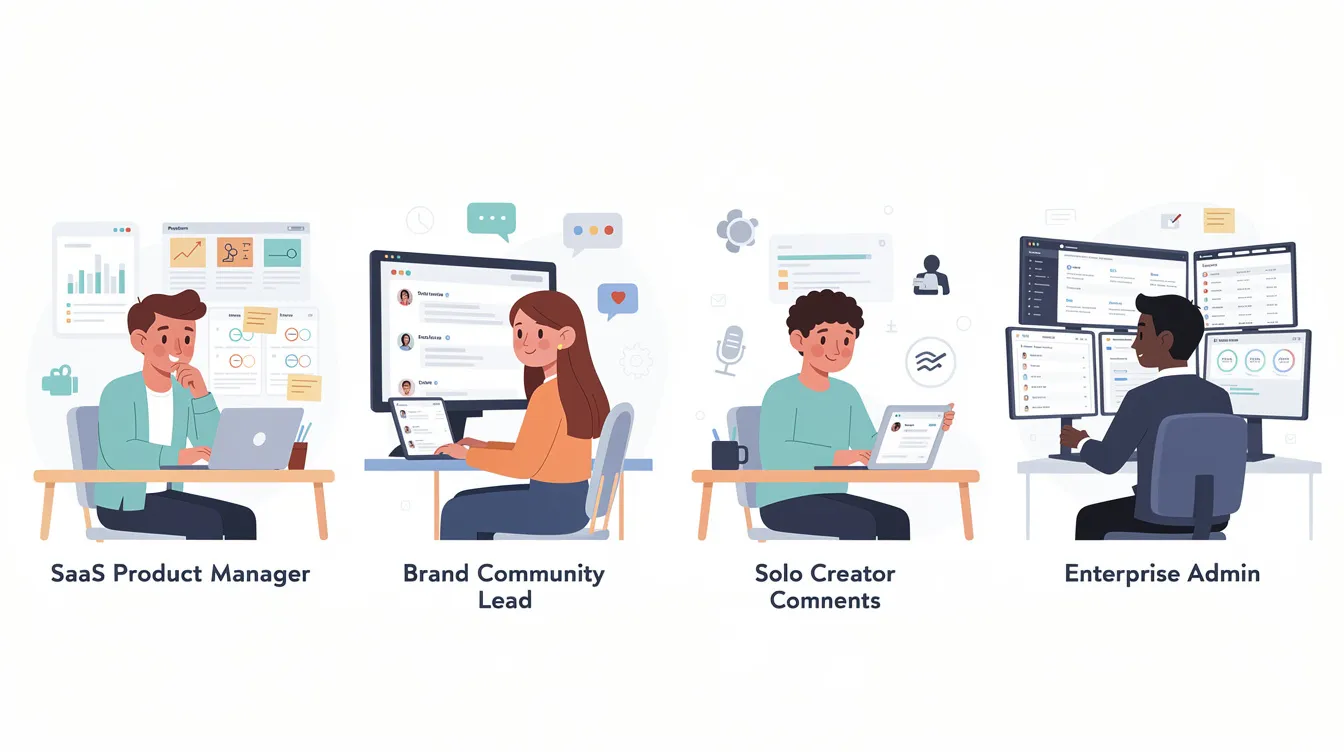
Ideal Users
B2B SaaS teams building customer support hubs, product feedback loops, and peer-to-peer forums
Consumer brands running large feedback or loyalty communities, especially with multilingual support and enterprise scalability
Organizations using Bettermode for internal collaboration and employee engagement
Not Recommended For
Solo coaches and indie course creators running a single paid community
Those wanting a simple all-in-one membership site with built-in checkout
Course creators needing modules, certificates, and monetization
Summary:
If your goal is community building around content you sell, a creator-focused tool is the right call.
Bettermode vs Creator-Focused Platforms (Like Circle)
Bettermode is a structured, branded customer community platform with embeddable Spaces. Circle is a creator-focused all-in-one hub for courses, community, and paid memberships. They solve different problems.
Feature | Bettermode | Circle |
|---|---|---|
Course builder | No | Yes (native) |
Built-in monetization | No | Yes |
Embeddability | Strong (SDK, widgets) | Limited |
Enterprise controls | Advanced (SSO, audit logs) | Basic to mid |
Mobile app | No (responsive web only) | Yes (branded) |
Starting price | ~$399/month | ~$89/month |
Best for | Brand/customer communities | Creator businesses |
Bettermode wins:
Embeddability
Enterprise controls
Integrations
Circle wins:
Ease-of-use
Native events, courses, and monetization for small teams
Recommendation:
For most readers who identify as course creators or membership site owners, Circle will be the more logical default.
Real-World Learning Curve and Onboarding Experience
Setup Process
Account creation
Selecting a template with a clean profile template for members
Configuring initial Spaces
Branding via the Design Studio
Time to launch:
Basics (simple customer community with a few Spaces and a custom domain): Under a day
Advanced Customization
Deep customization of layouts across multiple Spaces
Setting up advanced integration workflows
Tuning permissions for different collaborator roles
Tips:
Community managers who are non-technical can launch a simple community.
Advanced setups benefit from a developer or technical support.
Onboarding Resources
Help Center
Tutorials
Sample communities
Note:
Some gaps for beginners, especially around advanced API setup and embedding configurations. Bettermode is intuitive at the surface but closer to enterprise software once you go deeper. Have a clear strategy before configuring.
Customer Support and Reliability
Support Channels
Help Center and community forum as primary self-service channels
Email support (no live chat for real-time troubleshooting)
Support Quality
Rated 4.7 out of 5 on review platforms
Quick and helpful responses for straightforward questions
Response quality can vary for complex technical issues
Enterprise clients with dedicated success managers have a smoother experience
Reliability
SaaS-hosted with SLAs on enterprise tiers (typically 99.9% uptime)
Important for enterprises whose customer communities are mission-critical
Tip:
When technical issues arise, having the right support tier makes a meaningful difference.
Is Bettermode Worth It in 2026?
Bettermode is worth it if you are an established brand that can actually use its embeddable, enterprise-grade customer community features and justify the investment.
ROI calculation:
Support ticket deflection
Improved customer engagement
Better product feedback loops
Brand loyalty
For solo creators, small teams, and budget-sensitive online communities:
More value from a creator-focused, all-in-one platform
Before committing to a long-term contract, run a pilot with a clear success metric (e.g., reduced support load over three to six months).
Development trajectory:
New features around embedding, developer tools, and moderation
Little evidence yet of investment in native mobile apps or course-centric tools
Conclusion: Our Honest Verdict on Bettermode

Bettermode is a powerful, embeddable customer community platform best suited to brands and SaaS companies that treat community as a product feature. Its customization depth, integration ecosystem, and enterprise controls are genuinely impressive.
Downsides:
Enterprise-level pricing
Real learning curve for advanced setups
Absence of native courses, monetization, and a branded mobile app
Recommendation:
For most readers running a paid community or course business, Bettermode will not be the most practical or cost-effective choice.
Circle and similar creator-centric platforms are usually a better fit for all-in-one hosting of courses, community, and payments.
Final advice:
If you are a brand building a serious customer community at scale, add Bettermode to your shortlist and run a focused pilot.
If you are a creator, keep looking - the right tool for you is probably somewhere else.
Frequently asked questions
Bettermode is worth it for mid-size and enterprise brands that need a deeply customizable, embeddable customer community platform tightly integrated with their product and tech stack. For solo creators and small paid communities, the costs, complexity, and lack of built-in courses and monetization usually make it a poor value compared with creator-focused alternatives. The decision hinges on whether you truly need enterprise controls and integrations.
Bettermode uses tiered SaaS pricing that increases with member limits, features, and enterprise options rather than one flat fee. Exact prices and plan names change, so check Bettermode's official pricing page for current details. In general, it sits well above typical creator tools in price and targets organizations with real budget for customer communities - the starter plan alone starts in the hundreds per month.
Bettermode's approach to free access has changed significantly. As of 2026, the free plan was removed and legacy free communities were discontinued. There may be free trials or limited entry tiers available, but you should check the Bettermode site directly for current options. Most serious use cases - requiring a custom domain, integrations, and advanced apps - will need a paid plan.
Bettermode is generally not the best fit for beginners, solo creators, or tiny teams looking for a simple all-in-one membership or course platform. The steeper learning curve, enterprise-leaning pricing, and missing course and monetization features are the key reasons. These users should look at Circle or similar tools that combine community, courses, and payments with an easier onboarding experience.
Bettermode is a structured, branded customer community platform with embeddable Spaces. Discord is a chat-first social network tool, and Circle is a creator-focused all-in-one platform. Bettermode wins for enterprise-grade customer communities with deep integrations. Circle wins for paid creator communities and courses. Discord wins for informal, real-time groups. Choose based on whether you are running a brand-led online community or a creator-led business.
No. As of 2026, Bettermode does not offer a dedicated native mobile app for iOS or Android. The platform is accessible through a responsive mobile web interface, which works but lacks push notifications and app-store presence. Some enterprise clients embed community views into their own apps via webviews, but this requires development resources and is not a plug-and-play solution.